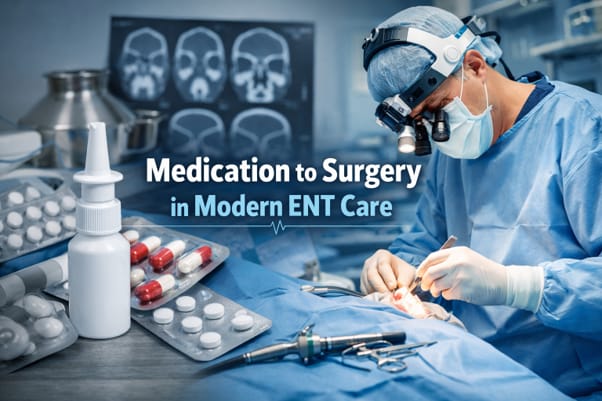
Introduction: From Medication to Surgery in Modern ENT Care
Conservative treatment is always the starting point in ENT care. In most cases, medication and non-surgical measures effectively control inflammation, clear infection, and restore function. However, there are situations where symptoms persist despite appropriate therapy, and this is when we must carefully consider whether continuing conservative treatment is truly in the patient’s best interest.
Understanding Conservative ENT Management
What Conservative Treatment Typically Includes
Conservative ENT treatment refers to non-surgical management aimed at reducing inflammation, controlling infection, and improving drainage or function. This commonly includes topical nasal steroid sprays, short courses of oral antibiotics when clinically indicated, antihistamines for allergic conditions, and regular saline nasal irrigation.
In sinus-related conditions, selected patients may require a short course of oral steroids, particularly where significant inflammation or nasal polyps are present. The overall goal is to allow the body’s natural mechanisms to recover and restore normal function without surgical intervention.
Why Conservative Therapy Is the First-Line Approach
Evidence-based practice supports conservative management as the first step for most ENT conditions. Many cases of acute sinusitis, allergic rhinitis, and mild chronic sinus disease respond well to appropriate medical treatment.
Sinus surgery is never the first reflex; it is considered only when symptoms remain significant despite adequate and properly supervised therapy. Our responsibility as specialists is to ensure that every patient receives a fair and complete trial of medical management before moving to more invasive options.
Recognising the Limitations of Conservative Treatment
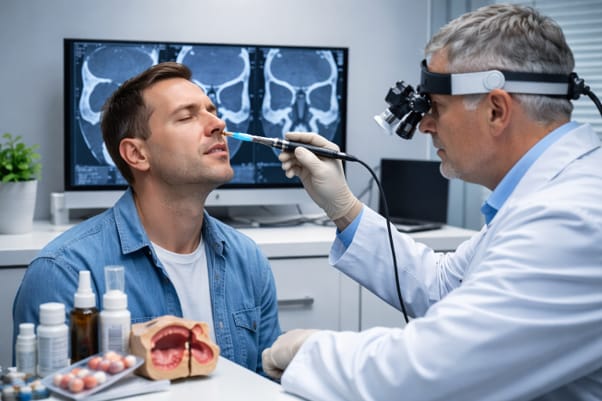
Allowing Adequate Time for Medical Therapy
For chronic rhinosinusitis, a proper medical trial usually spans several weeks and may extend beyond two months depending on disease severity. This often includes consistent use of topical nasal steroids and, where necessary, targeted antibiotic therapy based on clinical findings. Stopping treatment prematurely can give the false impression of failure, while persisting indefinitely with ineffective therapy can delay meaningful improvement. Careful monitoring and structured reassessment are essential.
Structural Barriers That Medication Cannot Fix
Medication reduces inflammation but cannot correct structural abnormalities. A significantly deviated nasal septum, large nasal polyps, or blocked sinus openings may physically prevent proper ventilation and drainage. In such situations, even well-complied medical therapy may provide only temporary or partial relief because the underlying anatomical problem remains. Identifying these structural contributors is critical in determining the next step.
Clear Indicators That Conservative Treatment Has Failed
Persistent symptoms lasting 12 weeks or more despite appropriate treatment strongly suggest chronic disease requiring further evaluation. Frequent recurrent infections that temporarily improve with antibiotics but quickly return are another important warning sign. Repeated reliance on oral steroids or multiple antibiotic courses without sustained improvement also indicates inadequate disease control. Objective findings on nasal endoscopy or CT imaging that demonstrate ongoing obstruction or mucosal disease further support reconsidering the treatment strategy.
When Surgery Becomes an Appropriate Consideration
Chronic Rhinosinusitis Unresponsive to Treatment
Chronic rhinosinusitis is characterised by prolonged symptoms such as nasal blockage, facial pressure, nasal discharge, or reduced sense of smell, supported by endoscopic or radiological evidence. When appropriate medical therapy fails to control these symptoms, surgery may be recommended to restore ventilation and sinus drainage. The goal is not to replace medical treatment but to improve access and function so that ongoing therapy becomes more effective.
Recurrent Acute Sinusitis
Some patients experience repeated episodes of acute sinus infection that significantly disrupt daily life. These episodes may respond to antibiotics but recur once treatment stops. If imaging reveals structural narrowing or persistent blockage, surgical intervention may reduce the frequency and severity of future infections. For individuals evaluated by an ent specialist in Singapore, this assessment helps determine whether continued conservative management remains reasonable.
Anatomical Obstruction
A severely deviated septum can impair airflow and compromise sinus drainage. Enlarged turbinates or extensive nasal polyps may further narrow passageways and sustain chronic inflammation. In such cases, surgical correction addresses the root cause rather than repeatedly suppressing symptoms with medication. This targeted approach often provides longer-term relief when anatomy is the primary driver of disease.
Types of Surgical Procedures Considered
Functional Endoscopic Sinus Surgery (FESS)
Functional Endoscopic Sinus Surgery is the most commonly performed procedure for chronic sinus disease that does not respond to medical therapy. It is performed through the nostrils using endoscopic guidance, avoiding external incisions. The procedure removes obstructive tissue and enlarges natural sinus openings to restore physiological drainage pathways. Improving ventilation allows mucus to clear effectively and enables topical medication to reach deeper sinus cavities.
Balloon Sinuplasty
Balloon sinuplasty is a minimally invasive technique suitable for selected cases of sinus obstruction. A small balloon catheter is introduced into the sinus opening and gently inflated to widen the passage without removing tissue. It is typically appropriate for patients with limited disease and specific anatomical narrowing. Careful patient selection is essential to ensure optimal outcomes.
Septoplasty and Polypectomy
Septoplasty corrects a significant deviation of the nasal septum to improve airflow and sinus drainage. Polypectomy involves the removal of nasal polyps that contribute to obstruction and chronic inflammation. For patients consulting a sinus surgeon in Singapore, these procedures may be performed individually or combined with sinus surgery, depending on the overall extent of the disease.
Risks, Expectations, and Post-Operative Care

Understanding Surgical Risks
All surgical procedures carry inherent risks, including bleeding, infection, and reactions to anaesthesia. Serious complications are uncommon but must be discussed transparently before proceeding. Informed consent is a fundamental part of responsible surgical care. Patients should fully understand both the benefits and potential risks before making a decision.
Realistic Expectations
Surgery aims to improve symptoms and reduce disease burden rather than guarantee permanent immunity from future infections. Many patients experience significant improvement in nasal breathing, facial discomfort, and infection frequency. However, continued use of maintenance treatments such as nasal steroid sprays may still be necessary. Setting realistic expectations helps ensure long-term satisfaction and adherence to post-operative care.
Importance of Follow-Up
Post-operative care plays a vital role in successful outcomes. Regular saline irrigation helps maintain cleanliness within the nasal passages and supports healing. Follow-up visits allow the surgeon to monitor recovery, manage crusting, and address any early concerns. Surgery should be viewed as part of a comprehensive treatment plan rather than a standalone solution.
Shared Decision-Making in Modern ENT Practice
Evaluating Quality of Life
The decision to move from conservative to surgical treatment is not based solely on imaging findings. It depends equally on how significantly symptoms affect sleep, productivity, daily comfort, and overall well-being. Chronic nasal blockage, facial pressure, and reduced smell can substantially diminish quality of life when persistent. When these issues remain despite appropriate therapy, surgical options deserve careful consideration.
Balancing Risks and Benefits
An experienced ENT specialist carefully weighs the expected benefits of surgery against its potential risks. Continuing ineffective medical therapy also has consequences, including repeated antibiotic exposure and prolonged discomfort. The decision must be individualised, taking into account anatomy, disease severity, lifestyle impact, and patient preferences. A thoughtful, evidence-based discussion ensures that treatment aligns with both clinical findings and personal priorities.
Conclusion
Conservative ENT treatment remains the cornerstone of managing most ear, nose, and throat conditions and should always be given an adequate and appropriate trial. However, when symptoms persist despite proper therapy or when structural abnormalities prevent meaningful improvement, continuing the same approach indefinitely may delay effective care. In carefully selected patients, surgical intervention can restore function, reduce disease burden, and significantly improve quality of life. The key lies in timely reassessment, objective evaluation, and a personalised plan guided by a specialist’s expertise.