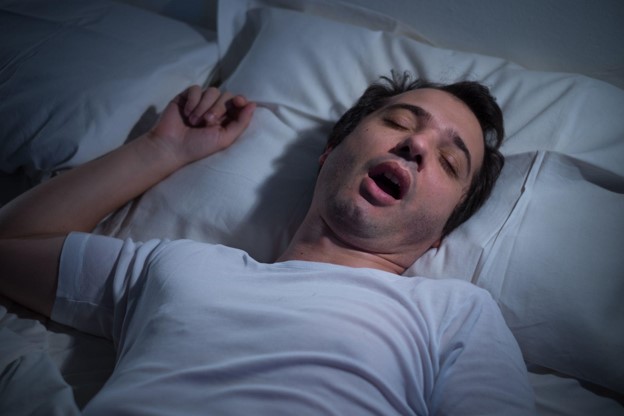
Why You’re Still Mouth Breathing: An ENT Doctor Explains the Real Causes
Mouth breathing is often treated like a minor quirk—something you only notice in photos, during a run, or when you wake with a dry mouth. But persistent mouth breathing in adults is rarely “just a habit”. In many cases, it is a sign that your nose is not doing its job properly, or that your sleep and airway are under strain.
ENT doctors pay close attention to mouth breathing because it can affect far more than comfort. It can change how well you sleep, how your throat feels, how often you get nasal or sinus flare-ups, and even how efficiently your body receives oxygen during rest. In some people, it can be a clue pointing towards chronic nasal obstruction or sleep-disordered breathing.
This guide breaks down what mouth breathing means in adults, the most common causes, why it matters, and when it’s time to book an ENT assessment.
What Counts as Mouth Breathing (and When It Becomes a Problem)
Everyone mouth-breathes sometimes—during intense exercise, with a short-term cold, or when laughing hard. ENT doctors become concerned when mouth breathing is frequent, automatic, or sleep-related, such as:
- waking with a dry mouth most mornings
- sleeping with your mouth open (partner notices, or you see it on recordings)
- needing to breathe through the mouth at rest because the nose feels blocked
- chronic throat clearing, sore throat, or hoarseness
- snoring that worsens when lying on your back
- “air hunger” through the nose, especially at night
If mouth breathing is your default, your nose is either obstructed, inflamed, or not being used effectively.
Why ENT Doctors Prefer Nasal Breathing
Nasal breathing is not just “more polite” breathing—it is functional breathing. Your nose:
- filters dust, allergens, and irritants
- warms and humidifies the air before it reaches your lungs
- supports nitric oxide production in the nasal passages (important for airway function)
- helps regulate airflow resistance, which can stabilise breathing during sleep
Mouth breathing bypasses much of this. That is why mouth breathers often report dry throat, poor sleep, and more frequent upper airway irritation.
Common Causes of Mouth Breathing in Adults

1) Chronic nasal congestion (inflammation-driven)
This is one of the most common reasons. Causes include:
- allergic rhinitis (dust mites, pollen, pets, mould)
- non-allergic rhinitis (irritants, haze, strong smells, temperature changes)
- chronic sinus inflammation (with or without polyps)
When the nasal lining stays swollen, airflow narrows, and mouth breathing becomes a workaround.
2) Deviated nasal septum (structure-driven)
A deviated septum can reduce airflow on one side. Some people adapt without realising it, until it worsens with age, allergies, or weight changes. A septal deviation may cause:
- one-sided blockage
- difficulty sleeping on a particular side
- congestion that doesn’t respond fully to medication
3) Enlarged turbinates (the “internal swelling” issue)
Turbinates are structures inside the nose that help condition the air you breathe. With chronic inflammation, they can enlarge and narrow the airflow.
4) Nasal polyps
Polyps are soft growths linked to chronic inflammation. They can cause:
- persistent nasal blockage
- reduced smell
- postnasal drip
- snoring and mouth breathing
Polyps often require ENT assessment because treatment may involve specific sprays, short courses of medication, and sometimes surgery, depending on severity.
5) Chronic sinusitis
Chronic rhinosinusitis can create an ongoing cycle of congestion, mucus retention, reduced smell, and mouth breathing—especially at night.
6) Sleep-disordered breathing (including sleep apnoea)
Many adults who mouth breathe at night do so because nasal breathing is insufficient or because the airway collapses more easily during sleep. Clues include:
- loud snoring
- choking/gasping episodes (partner notices)
- daytime fatigue and brain fog
- morning headaches
- dry mouth on waking
This is one reason ENT doctors take mouth breathing seriously: it can be a surface symptom of a bigger sleep and airway issue.
7) Habit and muscle pattern (often after a long period of blockage)
Sometimes the original problem started as a blocked nose (allergies, a cold, sinusitis), but the pattern stuck. Even when congestion improves, the brain keeps choosing mouth breathing—especially during sleep. ENT doctors still check for underlying obstruction first, because “habit” is rarely the only explanation.
8) Anxiety and dysfunctional breathing patterns
Stress can shift breathing into faster, shallower patterns, and some people begin mouth breathing during the day without realising it. This doesn’t rule out nasal obstruction—both can coexist.
Signs Mouth Breathing Is Affecting Your Health

Dry mouth, sore throat, and hoarseness
Breathing through the mouth dries the tissues of the throat and vocal cords. This can lead to:
- Morning sore throat
- scratchy voice
- frequent throat clearing
- increased sensitivity to air-conditioning and haze
Poor sleep quality (even if you “sleep enough hours”)
Mouth breathing can contribute to:
- snoring
- fragmented sleep
- waking unrefreshed
- daytime fatigue
Dental and gum issues
Dry mouth reduces saliva’s protective function, which can worsen:
- bad breath
- gum irritation
- tooth decay risk
Dentists often spot mouth breathing patterns before patients do.
More frequent upper airway irritation
Because the nose filters and humidifies air, bypassing it can increase irritation from:
- dust and allergens
- pollution and haze
- dry indoor air
The ENT Doctor’s Checklist: When It’s Time to Get Assessed

Book an ENT appointment if you have mouth breathing plus any of the following:
- nasal blockage lasting more than 2–3 months
- reduced sense of smell
- one-sided blockage that’s persistent
- snoring with dry mouth, fatigue, or morning headaches
- frequent sinus flare-ups or ongoing postnasal drip
- suspected nasal polyps
- recurrent sore throats without clear infection
- poor sleep quality that doesn’t match your hours slept
- dependence on decongestant nasal sprays
- Symptoms that return quickly when you stop allergy medication
What Happens at an ENT Assessment for Mouth Breathing
1) Symptom history that looks beyond the nose
An ENT doctor will ask about:
- timing (daytime, night-time, or both)
- triggers (dust, air-conditioning, weather changes, infections)
- sleep symptoms (snoring, gasping, awakenings, fatigue)
- sinus symptoms (pressure, discharge, reduced smell)
- medication use (especially decongestant sprays)
2) Physical examination of nasal airflow and throat
This includes checking:
- septum alignment
- turbinate size
- Signs of allergic inflammation
- Tonsil size and throat space
- Mouth and jaw features that may affect sleep breathing
3) Nasal endoscopy (often the turning point)
A thin camera allows the ENT doctor to see deeper areas, including:
- polyps
- Swelling in the sinus drainage pathways
- mucus patterns
- Structural narrowing is not visible at the front of the nose
4) Imaging or sleep study (only when indicated)
Depending on findings, an ENT may suggest:
- CT scan of the sinuses (for suspected chronic sinusitis/polyps or surgical planning)
- A sleep study if sleep apnoea is suspected
Treatment Options: How ENT Doctors Help Adults Breathe Through the Nose Again
Treatment depends on the cause. A good plan usually has two goals: open the nose and keep inflammation under control.
Medical treatments (often first-line)
- Saline rinses to clear mucus and irritants
- Intranasal steroid sprays to reduce swelling (consistency matters)
- Allergy control (antihistamines when appropriate, trigger reduction strategies)
- Targeted sinus treatment if chronic sinusitis is confirmed
- Addressing contributing factors such as reflux when relevant
Structural solutions (when anatomy is the main barrier)
If your nose is physically narrow or blocked, treatment may include:
- Correcting a significant septal deviation
- Reducing enlarged turbinates (in selected cases)
- Treating polyps (medical therapy first, procedures when necessary)
ENT doctors typically reserve procedures for patients who do not respond adequately to medical therapy or have a clear structural obstruction.
Sleep-focused management (when night mouth breathing is the big issue)
If mouth breathing is tied to snoring or suspected sleep apnoea, ENT care may include:
- Nasal optimisation to improve airflow
- Referral or arrangement for a sleep study
- Coordinated management options (CPAP, oral appliances, or targeted airway treatment depending on findings)
Practical Tips You Can Try (Safely) While You Arrange an Assessment

These are supportive measures—not replacements for diagnosis:
- Saline rinses once daily for congestion and mucus
- Humidify your bedroom if the air is dry.
- Allergen reduction (wash bedding in hot water, manage dust, reduce mould exposure)
- Sleep on your side if snoring worsens on your back.
- Avoid alcohol close to bedtime, as it can worsen airway collapse and snoring.
- Check your nasal spray technique (aim slightly outwards, not towards the centre septum)
Avoid long-term reliance on decongestant sprays unless specifically advised; rebound congestion can make mouth breathing worse.
Red Flags: Seek Prompt Care
Get urgent medical review if you have:
- Severe or rapidly worsening breathing difficulty
- Facial swelling with fever or severe pain
- Eye swelling, double vision, or vision changes
- Extreme daytime sleepiness that makes driving unsafe
- Choking episodes during sleep with significant unwellness
The Takeaway: Mouth Breathing Is a Symptom, Not a Personality Trait
Mouth breathing in adults is often your body’s workaround for a nose or airway that isn’t functioning well—especially at night. Whether the cause is allergies, chronic inflammation, polyps, a deviated septum, or sleep-disordered breathing, the right ENT assessment can identify what’s driving it and map out a plan that restores nasal breathing, improves sleep quality, and reduces daily irritation. If your mouth breathing is persistent, treat it as useful information—not something to ignore.