Choosing a Cochlear Implant Specialist in Singapore: Your First-Time Guide
Hearing loss can change the way you work, socialise, and connect with the people you love. When hearing aids are no longer enough, your ENT doctor may start discussing cochlear implant surgery as the next step. That’s usually when a new question appears:
“How do I choose the right cochlear implant specialist in Singapore?”
A cochlear implant is a major decision – medically, financially, and emotionally. The specialist and centre you choose will not only perform the surgery, but also guide you through assessment, programming, rehabilitation, and long-term follow-up.
This article is a step-by-step guide to help you understand what a cochlear implant involves, what to look for in a cochlear implant specialist Singapore patients can trust, and how to feel more confident about your choice.
Step 1: Understand What a Cochlear Implant Actually Does
Before choosing a specialist, it helps to understand the basics of what you are signing up for.
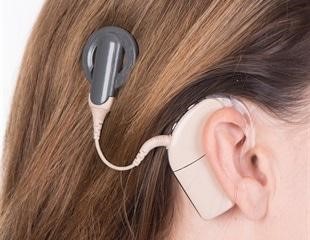
A cochlear implant is a small electronic device designed for people with moderate to profound hearing loss who gain limited benefit from conventional hearing aids. It works by:
- Bypassing the damaged parts of the inner ear
- Directly stimulating the hearing nerve with electrical signals
- Sending sound information to the brain, where it is interpreted as hearing
It has two main parts:
- An internal component (implant) placed under the skin and into the inner ear during surgery
- An external sound processor worn behind the ear or on the head, which picks up and processes sounds
Cochlear implants do not “restore normal hearing”, but they can significantly improve your ability to:
- Understand speech
- Follow conversations
- Hear important sounds in your environment
Because this is a long-term device that requires ongoing adjustments and support, the choice of a cochlear implant specialist becomes very important.
Step 2: Confirm That You Are a Candidate
Not everyone with hearing loss needs, or will benefit from, a cochlear implant. Before you focus on which specialist to see, it’s useful to confirm whether you are likely to be a suitable candidate.
You may be considered for a cochlear implant if you:
- Have moderate to profound sensorineural hearing loss in one or both ears
- Struggle to understand speech even with well-fitted hearing aids
- Rely heavily on lip-reading, subtitles, or written communication
- Find that your hearing loss significantly affects work, social life, or safety
Your ENT doctor or audiologist may be the first to suggest that it’s time to look at implant options. At this stage, they may refer you to a cochlear implant specialist in Singapore or a centre with a dedicated implant team.
If you’re unsure, ask your current ENT:
“Based on my hearing tests and hearing aid results, do you think I might be a candidate for a cochlear implant?”
This helps you decide whether to move forward with a specialist consultation.
Step 3: Shortlist Cochlear Implant Specialists in Singapore
Once you know a cochlear implant is worth exploring, the next step is to create a shortlist of specialists.
When you search for “cochlear implant specialist Singapore”, you may find:
- ENT surgeons who list otology (ear surgery) or neurotology as a subspecialty
- Centres or hospitals with a dedicated cochlear implant programme
- ENT practices that highlight experience in implant and hearing rehabilitation
Things to look for when shortlisting:
- Formal ENT/otology training – the specialist should be a fully trained ENT surgeon with additional expertise in ear and hearing surgery.
- Specific mention of cochlear implants – in their profile, website, or clinic information.
- Experience with both adults and/or children, depending on who needs the implant.
- Affiliation with a reputable hospital or implant centre, where surgery and follow-up services are available.
It is perfectly reasonable to shortlist two or three cochlear implant specialists in Singapore and then decide after meeting them.
Step 4: Check the Centre’s Team and Services, Not Just the Surgeon
Cochlear implantation is more than a one-off surgery. It’s a programme involving a whole team. When you are choosing a specialist, you are also choosing the team and system around them.
Ideally, the centre should offer:
- Experienced audiologists – who perform detailed hearing tests and handle device programming (“mapping”).
- Speech and language therapists – especially important for children and for adults who need help adjusting to hearing through the implant.
- Hearing therapists or rehabilitation specialists, who can support listening practice and communication strategies.
- Administrative support – for scheduling, device orders, warranties, and follow-up coordination.
A good cochlear implant specialist in Singapore will work hand in hand with these professionals. When researching, ask:
- “Is there a dedicated cochlear implant team?”
- “Who will handle my hearing tests, mapping, and rehabilitation sessions?”
- “Is everything coordinated through one centre, or will I need to travel to different places?”
Having an integrated team often means smoother communication and more consistent care.

Step 5: Understand the Evaluation Process
Before surgery is considered, you will usually go through a comprehensive evaluation. This helps confirm that a cochlear implant is clinically appropriate and that you understand what to expect.
Typical assessment steps may include:
- Detailed hearing tests – to measure how well you hear different sounds and speech, both with and without hearing aids.
- ENT examination – to check the health of your ears and rule out other conditions.
- Imaging scans – such as CT or MRI, to look at the inner ear and hearing nerve structure.
- Speech perception tests – to assess how well you understand speech currently.
- Medical and anaesthetic assessment – to ensure you are safe for surgery.
A good cochlear implant specialist Singapore will explain:
- Why each test is necessary
- What the results mean in plain language
- Whether you clearly meet the criteria for a cochlear implant
This stage is also an opportunity for you to ask questions and explore your expectations about life with an implant.
Step 6: Questions to Ask During Your Specialist Consultation
Your first visit with a cochlear implant specialist in Singapore is more than a quick check-up – it’s a chance to clarify your options and build trust.
Here are helpful questions you might want to ask:
- “How many cochlear implant surgeries do you perform in a year?”
Experience matters, both for surgery and post-operative care. - “Do you work with a dedicated implant team?”
Ask about the audiologists, therapists, and rehabilitation services available. - “Which cochlear implant brands or systems do you use, and why?”
Different systems offer different features; your specialist can explain their rationale. - “What realistic improvements can I expect after implantation?”
Responses will differ between patients with existing speech understanding and those who have had long-standing deafness. - “What are the main risks and possible complications?”
Every surgery carries some risk; your specialist should discuss them openly. - “What does the recovery and rehabilitation journey look like?”
You should understand the timeline from surgery to activation and follow-up.
A confident cochlear implant specialist will welcome questions and answer them clearly, without rushing you.
Step 7: Compare Support After Surgery – Activation and Mapping
The surgery itself is just one part of the cochlear implant journey. What happens after surgery is equally important.
Activation (Switch-On)
A few weeks after surgery, the external sound processor is fitted and “switched on”. For many patients, this moment is exciting but also overwhelming, because sounds may initially:
- Seems strange, robotic, or tinny
- Feel too loud or too soft
- Take time for the brain to interpret properly
Your audiologist will adjust the settings carefully while you describe what you hear.
Ongoing Mapping and Fine-Tuning
In the months after activation, you will need regular appointments to:
- Fine-tune the sound processor settings (“mapping sessions”)
- Gradually increase comfort and clarity
- Optimise the device as your brain adapts to the new way of hearing
A strong cochlear implant specialist Singapore programme will schedule these follow-ups in a structured way and provide clear guidance about:
- How often will you be seen in the first year
- How to request extra help if you struggle with the sound quality
- How adjustments are made as your listening skills improve
This ongoing support is crucial to getting the best possible outcome from your implant.

Step 8: Consider Rehabilitation and Everyday Support
For many patients, especially children or those who have lived with severe hearing loss for a long time, rehabilitation is key.
Ask your specialist and their team:
- “Do you provide speech therapy or listening training on site?”
- “Are there programmes for parents of children with implants?”
- “Do you offer guidance on using phones, music, and assistive devices with the implant?”
Rehabilitation may include:
- Listening exercises
- Speech clarity work
- Strategies for hearing in noisy places
- Training to use accessories like remote microphones or TV streamers
Choosing a cochlear implant specialist in Singapore who values rehabilitation – not just surgery – often leads to richer and more satisfying hearing outcomes.
Step 9: Ask About Practical Considerations – Costs, Warranties, and Long-Term Care
Cochlear implants are a long-term investment, so it’s reasonable to discuss practical matters:
- Surgical and hospital costs
- Device and processor pricing
- Warranties and upgrade policies
- Expected lifespan of components
- Costs of future replacements, accessories, or repairs
Your specialist’s clinic should be able to explain:
- What is covered by insurance or subsidies (where applicable)
- What payment options or packages are available
- Who do you contact if the device or processor has problems
A transparent conversation about costs and long-term support is an important part of choosing the right cochlear implant specialist Singapore for you or your child.
Step 10: Trust Both the Facts and Your Instincts
Ultimately, choosing a cochlear implant specialist in Singapore is a blend of:
- Objective factors – training, experience, team, hospital facilities, rehabilitation services
- Subjective impressions – how well you feel listened to, how clearly things are explained, and how comfortable you feel with the specialist and their team
Take your time to:
- Reflect on the information you’ve received
- Discuss it with family members or close friends
- Consider whether your expectations and the specialist’s advice are aligned
If it helps, you can seek a second opinion before making a final decision. An experienced specialist will not be offended by this; they understand that cochlear implantation is a major step.
Final Thoughts
Deciding to have a cochlear implant is a significant milestone – a mixture of hope, questions, and understandable worries. The right cochlear implant specialist can make that journey clearer, safer, and more reassuring from start to finish.
By understanding what a cochlear implant does, confirming that you are a suitable candidate, carefully shortlisting specialists, and asking the right questions about surgery, follow-up, and rehabilitation, you give yourself the best chance of choosing a specialist and team who are a good fit for your needs.
Most importantly, remember that you are not just choosing someone to perform an operation. You are choosing a partner for a long-term hearing journey – one who will walk beside you as you learn to hear the world in a new way.